

When Telstra set out to rebuild its brand in 2022, it asked people to draw how they saw the company. One drawing showed a man in a suit. Another showed the Monopoly man. A third showed a large stick figure bullying a small one.
Its research put Telstra in the bottom ten of Australia’s large companies, alongside the banks. Four years on, Telstra describes itself as one of the ten strongest brands in the country.
The lesson for the rest of us isn’t about the size of the budget. It’s that Telstra treated creativity as a commercial decision, not an indulgence.
Is creativity worth the investment?
Yes, when it’s tied to a clear business goal. Work that people notice, remember and feel something about makes every marketing dollar go further. It can mean less media to be seen, less discounting to be chosen and more customers who think of you first. Creativity isn’t the opposite of commercial thinking. Done well, it’s one of its best tools.
The evidence goes back a long way. When McKinsey compared companies’ records for award-winning creative work with their financial results, it found that among the most creative, 67% had above-average organic revenue growth and 70% had above-average returns to shareholders.
What does commercial creativity look like?
It isn’t only for big brands with big budgets, and it doesn’t need to be outrageous. It needs an idea people remember, and the commitment to stick with it.
Uber Eats built one of Australia’s best-known campaigns on a simple line: Tonight I’ll be eating… A long-running cast of well-known Australians finishing that sentence made the brand part of everyday conversation. The campaign lifted awareness to 90% and helped make Uber Eats the number one food delivery brand.
Who Gives A Crap started in Melbourne in 2012 selling something few people think twice about: toilet paper. To fund its first production run, co-founder Simon Griffiths sat on a toilet in an empty warehouse for 50 hours while its crowdfunding campaign ran. It raised $50,000. The business funded itself for most of its first decade, now sells around the world, and the same cheeky, generous voice still runs through everything it does.
What are the commercial reasons to be creative?
These are the five we come back to most often, and the question worth asking at each.
1. You need less to be noticed
Forgettable work has to be repeated, often and expensively, before anyone sees it. Distinctive work earns attention on its own, so it needs less media behind it to be seen.
Ask: Are we paying to be seen, or giving people a reason to look?
2. You’re remembered when it counts
Most of your customers aren’t ready to buy today. Creativity is what keeps you in their mind until they are, so that when the need arrives, your name is the one they think of first.
Ask: When a customer needs what we sell, how quickly do they think of us?
3. You can compete on value, not price
Good creative work makes people feel a business is worth choosing, and worth paying for. Without it, the easiest lever left is a discount, and that’s a hard habit to break.
Ask: Are we competing on price because we haven’t given people another reason?
4. You build momentum
Work that people talk about, share and copy gives a business energy that paid reach can’t buy. When Telstra’s Wherever We Go walk caught on, fans and footballers recreated it themselves, and the trend reached 30 million views.
Ask: Who has the momentum in our category right now, and why?
5. It solves problems beyond advertising
Creativity isn’t only for campaigns. A new way to serve customers, a better first impression, a smarter process or a product nobody else offers all start with a creative idea. The businesses that value it in their marketing tend to value it everywhere.
Ask: Where in our business would a fresh idea make the biggest difference?
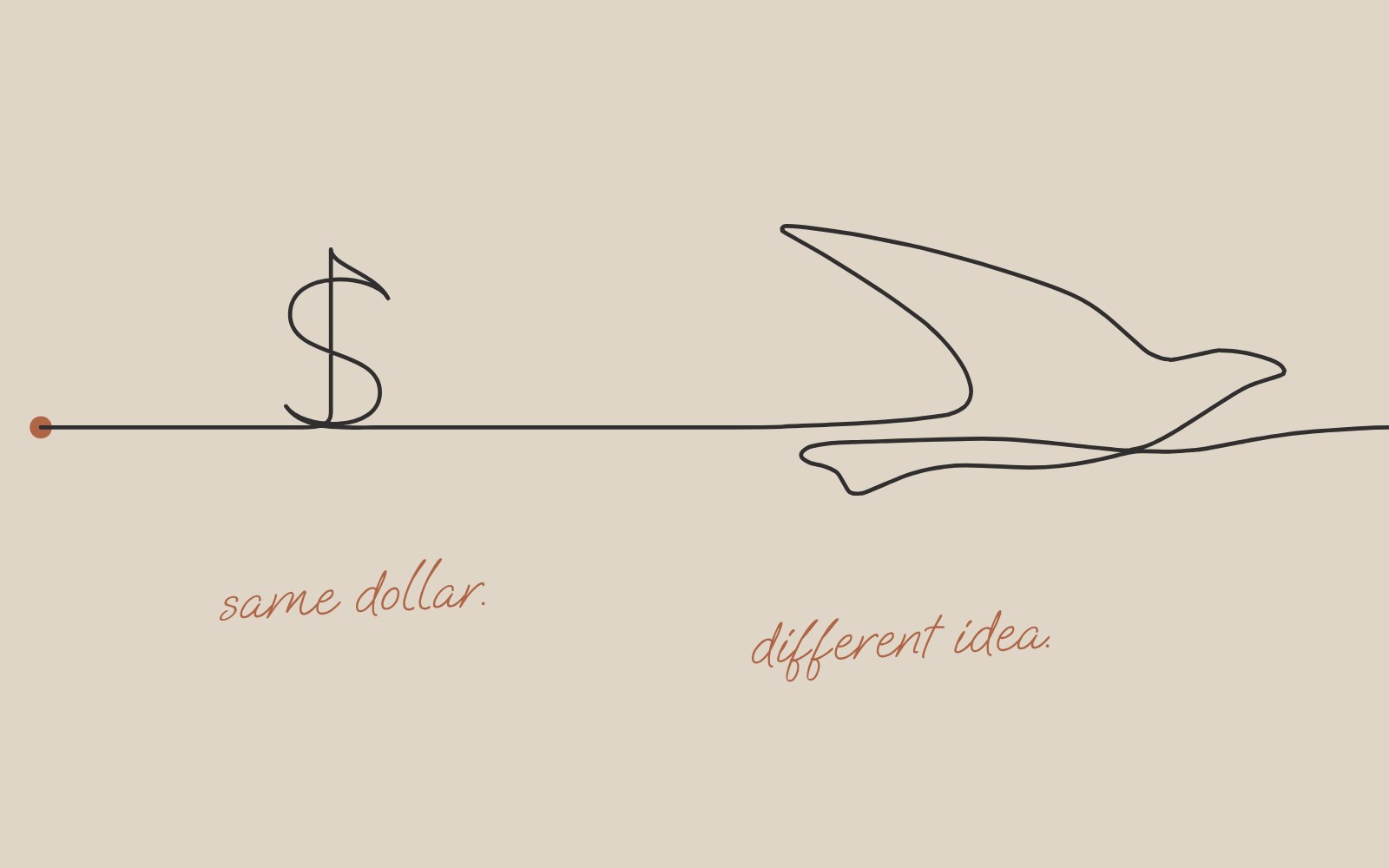
Does a business need a big budget to be creative?
No. Creativity is a way of thinking before it’s a line in the budget. It means a clear idea of what you want people to feel, the discipline to say it in a way only you could, and the patience to make it well.
Time matters as much as money. Great work rarely comes from a rushed brief. For most businesses, that means doing fewer things, and doing them better: one memorable idea, used consistently, rather than a dozen forgettable ones.
Why is creativity often the first thing to be cut?
Because it can feel like a risk, and its returns can take time to show. Media can be counted in clicks by Friday. A brand that people love builds more slowly. So when budgets tighten, the work that makes marketing memorable is often the first thing to go.
Yet the work that makes marketing memorable is usually the work that makes it pay. Being creative is how a business gets noticed, remembered and chosen.
So, is creativity worth the investment?
Yes, when it starts with a business problem and ends with a result you can measure. You don’t need Telstra’s budget. You need a clear idea, the craft to make it well and the confidence to stick with it.
The question isn’t whether you can afford to be creative. It’s what it’s costing you not to be.
If you’d like to talk about what a braver, smarter idea could do for your business, let’s start the conversation.
